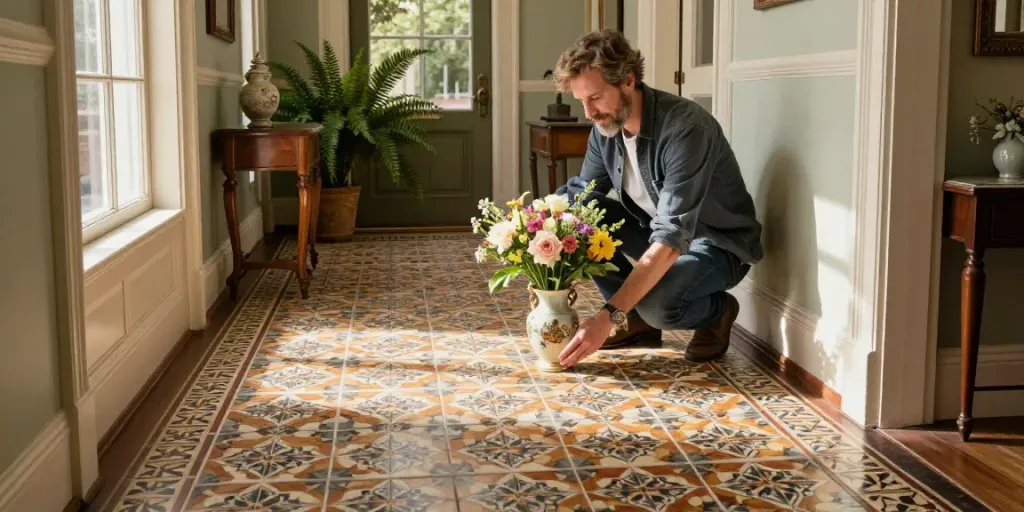
Understanding Victorian Hallway Tiles
Victorian hallway tiles, renowned for their timeless elegance and durability, serve as a stunning choice for enhancing both traditional and contemporary homes. These tiles encapsulate an era of intricate designs and craftsmanship that resonate with homeowners and designers alike. In this guide, we will explore the fascinating world of Victorian hallway tiles, their historical significance, characteristics, and modern applications, while providing you with insightful tips on selecting, installing, and maintaining these exquisite tiles. Whether you're renovating a classic home or looking to add vintage charm to a modern space, the information presented here will illuminate your journey.
What are Victorian Hallway Tiles?
Victorian hallway tiles are typically made from ceramic or stone, characterized by their rich colors and geometric patterns. These tiles often feature elaborate floral motifs, borders, and contrasting colors that create stunning visual effects. Historically, they were used in hallways, kitchens, and other high-traffic areas, reflecting the Victorian era's commitment to combining beauty and functionality.
The History of Victorian Tile Design
The Victorian era, which spanned from 1837 to 1901 during Queen Victoria's reign, saw significant advancements in tile manufacturing. The introduction of mass production techniques allowed for intricate designs to be reproduced at lower costs, making decorative tiles accessible to a broader audience. The revival of medieval styles and the Arts and Crafts movement also influenced Victorian tile designs, leading to the creation of vibrant encaustic tiles that are still cherished today. As you explore the evolution of these tiles, you'll find they have a rich narrative that showcases the intersection of artistry and industry.
Characteristics of Authentic Victorian Tiles
- Patterns: Authentic Victorian hallway tiles often feature bold geometric shapes and intricate patterns, reflecting the artistic trends of the period.
- Materials: They are typically made from high-quality clay or stone, providing durability and a premium finish.
- Color: Bright and contrasting colors, often laid out in complex designs, are trademarks of these tiles.
- Surface Finish: Many Victorian tiles have a glossy finish that enhances their aesthetic appeal and makes them easier to clean.
Choosing the Right Victorian Hallway Tiles
When deciding on the perfect Victorian hallway tiles for your space, several factors come into play, including the type of tile, material, and color schemes. Understanding these elements is crucial for achieving a cohesive look that complements your home’s style.
Types of Victorian Tiles and Patterns
Victorian tiles come in various designs, from classic encaustic tiles, which feature colored clay inlaid to create patterns, to more contemporary interpretations that integrate modern techniques. Common patterns include:
- Geometric Shapes: Squares, diamonds, and hexagons arranged in repetitive patterns.
- Floral Motifs: Designs that feature flowers and vines, adding a naturalistic touch.
- Border Tiles: Used to frame the main design, these tiles enhance the overall aesthetic.
Material Choices and Their Benefits
Victorian hallway tiles are primarily made from ceramic, encaustic cement, and stone. Each material offers distinct benefits:
- Ceramic: Affordable, durable, and available in a wide range of styles.
- Encaustic Cement: Offers unique designs with vibrant colors and is known for its sturdiness.
- Natural Stone: Adds a luxurious feel but requires more maintenance due to its porous nature.
Color Palettes and Design Combinations
When selecting colors for your Victorian hallway tiles, consider the overall theme of your home. Classic colors include deep reds, greens, and blues, often paired with cream or white for contrast. Combining different tile colors can create personalized patterns that highlight the elegance of your hallway.
Installing Victorian Hallway Tiles
The installation of Victorian hallway tiles can significantly impact the overall appearance and durability of your flooring. Proper preparation and adherence to best practices ensures a successful project.
Preparation and Best Practices for Installation
Before installation begins, it’s crucial to prepare the surface adequately. Ensure the subfloor is clean, dry, and level:
- Remove any existing flooring materials.
- Repair cracks and uneven areas in the subfloor.
- Use a suitable underlayment to provide insulation and moisture protection.
Common Installation Mistakes to Avoid
New installers often encounter several pitfalls. Common mistakes include:
- Incorrect Spacing: Failing to maintain proper grout spacing can lead to uneven patterns.
- Inadequate Adhesive: Ensure the right amount of adhesive is used to prevent tiles from loosening over time.
- Neglecting Grout Sealing: Sealing grout helps prevent moisture penetration and stains.
DIY vs. Professional Installation: What to Consider
While DIY installation can reduce costs, it requires a certain skill level and experience to avoid costly mistakes. Hiring professionals ensures the job is done correctly but can be more expensive. Consider your comfort with DIY projects and budget when making this decision.
Maintaining Victorian Hallway Tiles
To keep your Victorian hallway tiles looking their best, regular maintenance is essential. Proper care can extend the life of your tiles and preserve their beauty.
Regular Cleaning and Care Tips
Cleaning Victorian tiles involves:
- Frequent Sweeping: Keep the surface free of dirt and debris to prevent scratches.
- Use Mild Cleaners: Avoid harsh chemicals; use gentle cleaners specifically designed for tiles.
- Regular Mopping: Damp mop regularly to remove stains and maintain shine.
Addressing Wear and Tear Over Time
Over time, tiles may show signs of wear. Addressing these issues promptly can prevent larger problems:
- Chip Repairs: Use a tile repair kit for small chips or scratches.
- Grout Repair: Replacing worn grout helps maintain the integrity and appearance of your tiles.
Restoration Techniques for Vintage Tiles
If you have vintage Victorian tiles, consider restoration techniques like professional cleaning, re-glazing, or even tile replacement for damaged sections to ensure longevity.
Current Trends in Victorian Hallway Tiles for 2026
As we move further into 2026, Victorian hallway tiles continue to evolve, merging traditional beauty with modern functionality. Here are some trends to watch:
Integrating Modern Decor with Classic Designs
One of the emerging trends is the juxtaposition of Victorian tiles with contemporary decor. Mixing elements such as sleek furniture and minimalistic designs with patterned tiles creates a striking visual contrast that highlights both styles.
Innovative Uses of Victorian Tiles in Contemporary Spaces
Homeowners are increasingly using Victorian tiles in unexpected areas, such as:
- Bathrooms: Incorporating bold tile patterns as feature walls or floors.
- Kitchen Backsplashes: Using tiles to create eye-catching backsplashes that marry both style and practicality.
Predicted Trends for Victorian Tiles in Home Design
As the home design landscape evolves, expect to see:
- Eco-Friendly Materials: More homeowners seeking sustainable tile options without compromising on aesthetics.
- Custom Designs: A rise in bespoke tile patterns that cater to individual tastes.