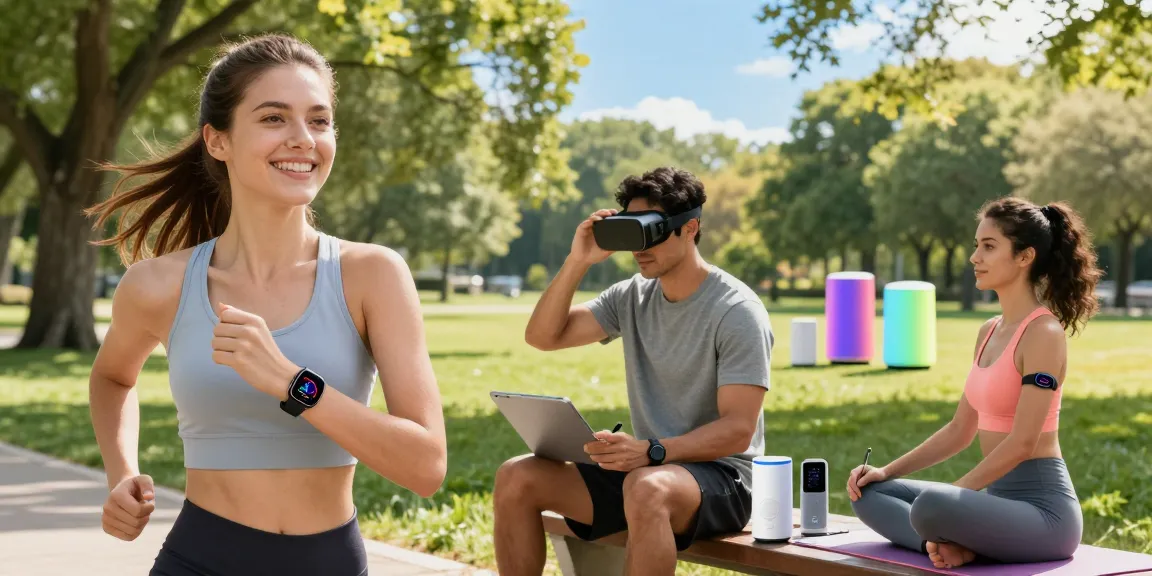
Understanding AI Wearables: Definition and Overview
AI wearables are revolutionizing the way we interact with technology and manage our everyday lives. These devices integrate artificial intelligence with wearable technology to enhance various functions, from health monitoring to personal assistance. As we look towards 2026, the demand for AI wearables is set to escalate, reflecting a growing interest in devices that offer convenience and efficiency in our daily routines. Whether you’re a tech enthusiast or someone curious about how these innovations could improve your lifestyle, exploring the latest trends in AI wearables will reveal invaluable insights into their capabilities and applications.
What are AI Wearables and How They Work?
AI wearables blend traditional wearable technology, like smartwatches and fitness trackers, with advanced artificial intelligence algorithms. These devices collect data and learn from user behavior to provide personalized insights. For instance, a smartwatch equipped with AI can analyze your daily activity patterns and suggest tailored workouts or remind you to take breaks based on your physical exertion levels. Such interactivity allows AI wearables to become more than mere data collectors; they evolve into proactive assistants that adapt to the user’s needs.
The Benefits of AI Wearables in Everyday Life
The integration of AI with wearable devices provides numerous advantages:
- Health Monitoring: AI wearables can track various health metrics, including heart rate, sleep patterns, and activity levels, providing valuable insights into your overall well-being.
- Enhanced Productivity: They can assist in managing schedules, setting reminders, and even providing motivational prompts during workouts.
- Personalization: The more you interact with your device, the better it understands your preferences and habits, offering increasingly targeted recommendations.
- Convenience: With their portable nature, AI wearables can facilitate quick access to information and tools, enabling users to multitask efficiently.
Key Features to Look for in AI Wearable Devices
When selecting an AI wearable, consider the following features:
- Data Accuracy: Ensure that the device you choose has a reputation for accurately collecting and interpreting data.
- Integration Capabilities: Look for devices that can seamlessly link with other smart technologies in your ecosystem.
- Battery Life: A long-lasting battery is crucial for maintaining functionality throughout the day without frequent recharging.
- User Interface: An intuitive interface enhances user experience, enabling easy navigation of features and applications.
Popular Types of AI Wearables in 2026
Smartwatches: Beyond Tracking Fitness
Smartwatches are perhaps the most ubiquitous AI wearables today, evolving from basic fitness trackers to multifunctional devices capable of managing various aspects of daily life. In 2026, expect further advancements such as:
- Health Sensors: Enhanced sensors for continuous health monitoring, including blood glucose and hydration levels.
- AI Coaching: Real-time coaching based on comprehensive analysis of personal workout data to optimize performance.
- Seamless Integration: Improved compatibility with smart home systems to control devices like lights and thermostats directly from your wrist.
Smart Rings: The Future of Subtle Technology
Smart rings are emerging as a discreet alternative to larger wearables. They provide essential tracking capabilities without the bulk of traditional devices. In 2026, smart rings are expected to offer:
- Health Monitoring: Advanced biometric sensors to track sleep quality, activity, and more.
- Notifications: Subtle alerts for calls and messages through vibrations or lights.
- Fashion Integration: Enhanced aesthetic designs that blend technology with everyday fashion.
Augmented Reality Glasses: Merging Reality with Information
Augmented reality (AR) glasses are poised to redefine user interaction. By overlaying digital information onto the real world, these glasses will provide:
- Navigation Assistance: Real-time directional guidance while walking or driving.
- Information Display: Access to notifications, messages, and information without needing to check a phone or smartwatch.
- Enhanced Learning: Opportunities for educational applications, such as virtual training simulations or interactive learning experiences.
Applications of AI Wearables in Health and Fitness
How AI Wearables Monitor and Analyze Health Metrics
AI wearables have transformed personal health management by enabling continuous monitoring of vital statistics. They can track heart rate, blood pressure, and even oxygen levels, providing users with significant insights into their health status. This data can serve as a valuable resource for healthcare providers in preventive care, facilitating timely interventions based on real-time health analytics.
Improving Fitness Routines with Smart Wearables
AI wearables can also enhance fitness routines by offering personalized training programs. For instance, a fitness tracker can analyze your exercise habits and suggest modifications to optimize performance or prevent injury. The incorporation of AI allows these devices to adapt to changing fitness levels, ensuring that users remain challenged yet safe during their workouts.
Real-World Success Stories of AI Wearables in Health
Numerous success stories have emerged, showcasing the impact of AI wearables on health outcomes:
- Diabetes Management: Wearables equipped with continuous glucose monitoring systems have helped individuals manage their blood sugar levels more effectively, leading to improved overall health.
- Heart Health: Patients using AI-powered wearables have reported significant reductions in cardiovascular events by adhering to personalized health advice based on continuous monitoring.
- Weight Loss: Success stories abound of individuals using wearables to track caloric intake and exercise patterns, leading to sustainable weight management.
Challenges and Concerns Regarding AI Wearables
Privacy Issues with Always-Listening Devices
One of the most significant concerns surrounding AI wearables is privacy. Many devices are capable of continuously listening or monitoring users, which raises fundamental questions about data security and personal privacy. Consumers must weigh the benefits of convenience and insight against the potential risks of data misuse.
Balancing Technology and Mental Health: The Impact of AI Wearables
While AI wearables can promote healthy habits, there’s also a risk of over-reliance on technology, which may lead to anxiety or obsessive behavior regarding health metrics. Striking a balance between utilizing technology for improvement while maintaining a healthy relationship with it is essential for overall well-being.
Consumer Trust: What Users Need to Know
To build consumer trust, manufacturers of AI wearables must prioritize transparency regarding data usage and security. Clear communication about how health data is collected, stored, and used can alleviate concerns and foster confidence among users.
Future Trends in AI Wearables: What to Expect in 2026 and Beyond
Technological Innovations Expected in AI Wearables
The future of AI wearables is bound to be exciting, with advances in AI technology enhancing functionality. Innovations could include:
- Battery Technology: Longer-lasting batteries that can power devices for extended periods without recharging.
- AI-Powered Interaction: More advanced natural language processing capabilities for intuitive communication between users and devices.
- Advanced Materials: The use of smart textiles and materials that can monitor health metrics directly through clothing.
The Role of AI in Enhancing User Experience
AI will continue to play a pivotal role in personalizing the user experience. By analyzing user data and preferences, AI can enhance interaction, recommend improvements, and even offer tailored rewards for achieving health and fitness goals.
Predictions: The Next Generation of AI Wearable Devices
Looking ahead, the next generation of AI wearables is anticipated to integrate seamlessly into daily life, making technology an even more invisible part of existence. Expect devices that can communicate and share data with each other, creating a holistic ecosystem that supports health, productivity, and lifestyle management.